Why Sun City became a massage destination
Sun City is one of the largest active retirement communities in the United States, originally built starting in 1960. The combination of an aging population that takes body care seriously, a year-round mild winter climate that supports an active outdoor lifestyle (golf, walking, pickleball), and steady West Valley population growth has made the area a natural fit for professional massage spas. Within a 10-mile radius of Sun City, there are dozens of legitimate massage establishments serving residents and visitors. The market includes large chain spas, resort spas at properties like The Wigwam, mid-size independent spas, and small neighborhood spas like ours.
The variety means you have real choice. Different spas serve different needs — some focus on resort-style luxury at high prices, some focus on volume at chain-store pricing, and some focus on honest, simple, walk-in service at flat rates. This guide will not tell you which to choose. It will explain the actual differences so you can decide for yourself.
The six core massage services
Across most professional massage spas in Sun City, six core services dominate the menu:
At Angel Massage Spa, the confirmed options are full body massage, oil massage, and stress-relief treatments. Explain your pressure preference and any areas you want avoided when you arrive.
The confirmed session prices are $40 for 30 minutes and $60 for 60 minutes. Availability can change, so call ahead if timing or a visit for more than one guest matters.
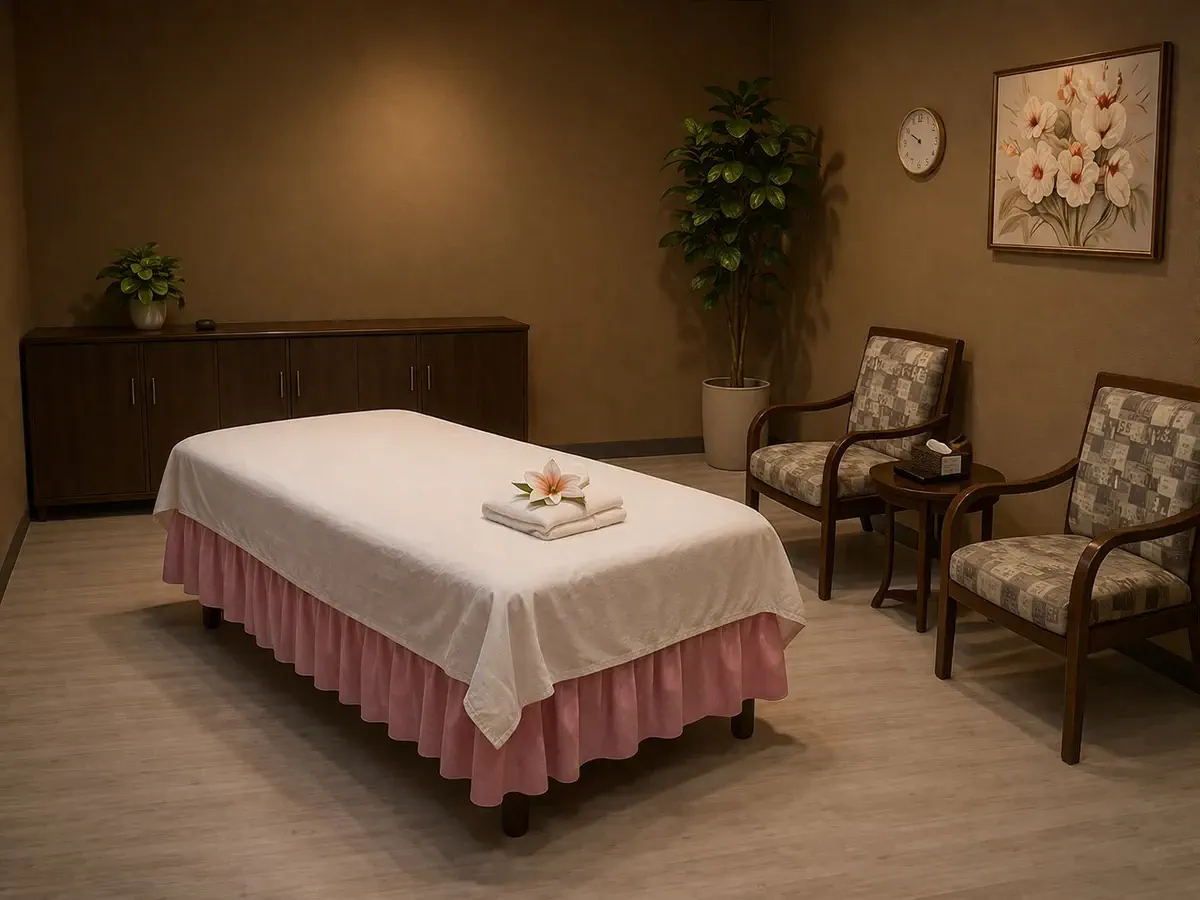
Angel Massage Spa is at 10716 W Bell Rd, Sun City, AZ 85351 and is open 9:00 AM to 9:00 PM daily. Walk-ins are welcome and private rooms are available.
Relaxation-Focused Massage — gentle, unhurried full-body work with consistent moderate pressure. Designed for guests who want a calm hour off the clock without any specific tension to address. Best for general unwind and routine wellness visits.
Stress Relief Massage — focused work on the three main tension areas: shoulders, neck, lower back. Pressure is moderate to firm depending on what those areas need. Best for people with desk-job tension, driving fatigue, or stress-induced upper-back tightness.
Choose a session length based on the time you have and the kind of relaxing visit you want. If you have a health concern, ask a qualified healthcare professional whether massage is appropriate for you.
At Angel Massage Spa, the confirmed options are full body massage, oil massage, and stress-relief treatments. Explain your pressure preference and any areas you want avoided when you arrive.

Pricing reality across Sun City spas
Massage pricing in the Sun City area falls into rough tiers:
At Angel Massage Spa, the confirmed options are full body massage, oil massage, and stress-relief treatments. Explain your pressure preference and any areas you want avoided when you arrive.
The confirmed session prices are $40 for 30 minutes and $60 for 60 minutes. Availability can change, so call ahead if timing or a visit for more than one guest matters.
Angel Massage Spa is at 10716 W Bell Rd, Sun City, AZ 85351 and is open 9:00 AM to 9:00 PM daily. Walk-ins are welcome and private rooms are available.
What to look for when choosing a spa
Whether you choose us or any other Sun City spa, a few markers separate professional, well-run operations from places to avoid:
Choose a session length based on the time you have and the kind of relaxing visit you want. If you have a health concern, ask a qualified healthcare professional whether massage is appropriate for you.
These markers apply to any spa, in any city. Trust your sense walking in. If something feels off in the first 90 seconds, listen to it.
What to expect during your visit
Across most professional Sun City spas, the typical visit follows a consistent pattern:
Arrival and check-in (5 minutes): Brief conversation with front desk. Confirm session length, service type, focus areas, allergies, payment method.
The confirmed session prices are $40 for 30 minutes and $60 for 60 minutes. Availability can change, so call ahead if timing or a visit for more than one guest matters.
Change in privacy (3-5 minutes): Therapist steps out and closes the door. You undress to your comfort level, lie face-down on the table under the sheet, and relax. When ready, you signal verbally.
Session begins (30 or 60 minutes): Therapist knocks, waits for verbal okay, enters. Session proceeds with technique appropriate to your chosen service. Pressure is adjusted on your request at any point.
Session ends (1-2 minutes wind-down): Therapist signals the session is ending, applies final flowing strokes, and leaves the room. You take a moment, then dress at your own pace.
Angel Massage Spa is at 10716 W Bell Rd, Sun City, AZ 85351 and is open 9:00 AM to 9:00 PM daily. Walk-ins are welcome and private rooms are available.
Total door-to-door time for a 60-minute session is typically 75-90 minutes.
Walk-in vs appointment culture
At Angel Massage Spa, the confirmed options are full body massage, oil massage, and stress-relief treatments. Explain your pressure preference and any areas you want avoided when you arrive.
The confirmed session prices are $40 for 30 minutes and $60 for 60 minutes. Availability can change, so call ahead if timing or a visit for more than one guest matters.
At Angel Massage Spa, the confirmed options are full body massage, oil massage, and stress-relief treatments. Explain your pressure preference and any areas you want avoided when you arrive.
Angel Massage Spa is at 10716 W Bell Rd, Sun City, AZ 85351 and is open 9:00 AM to 9:00 PM daily. Walk-ins are welcome and private rooms are available.
At our spa, we hold capacity specifically for walk-ins. About 70% of our guests walk in without calling. The remaining 30% send a chat ahead through the bottom-right widget on our website. Either way, the price is the same.
Pricing transparency: what to ask before booking
Before any first visit to a new spa, ask a few honest questions:
At Angel Massage Spa, the confirmed options are full body massage, oil massage, and stress-relief treatments. Explain your pressure preference and any areas you want avoided when you arrive.
The confirmed session prices are $40 for 30 minutes and $60 for 60 minutes. Availability can change, so call ahead if timing or a visit for more than one guest matters.
Current Information
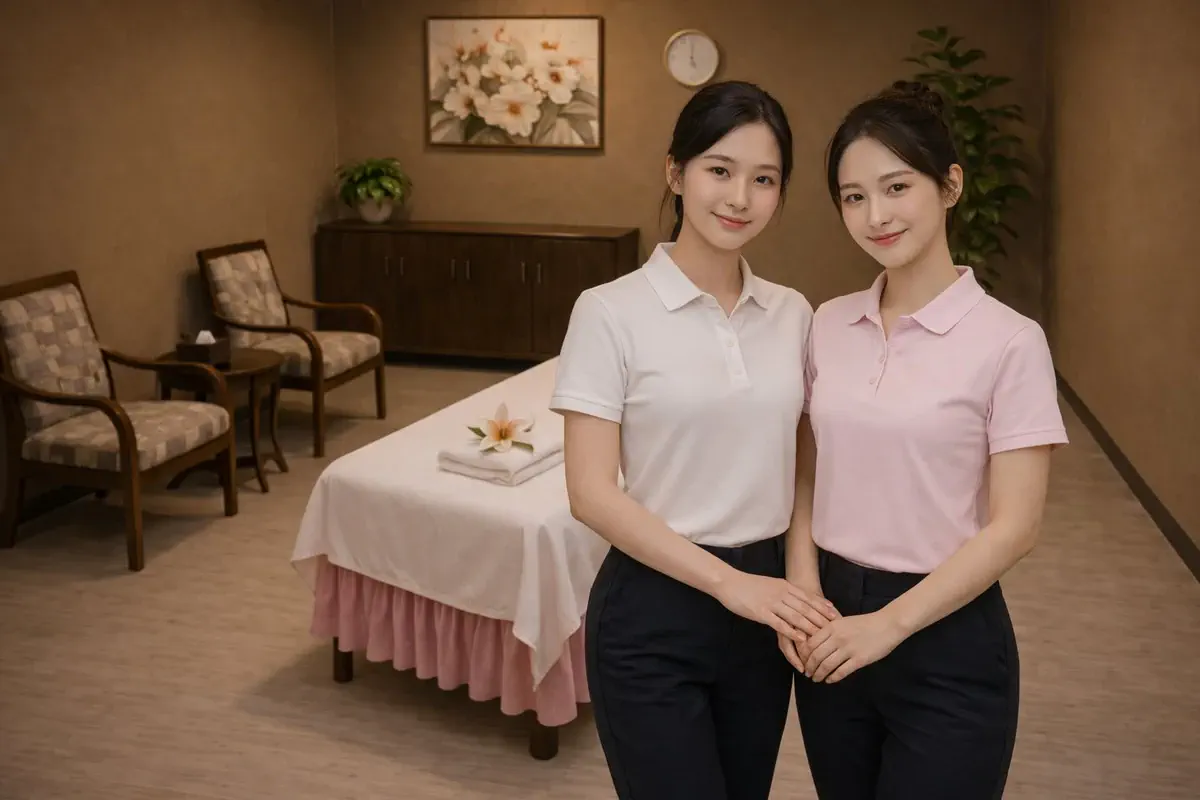
Angel Massage Spa is at 10716 W Bell Rd, Sun City, AZ 85351 and is open 9:00 AM to 9:00 PM daily. Walk-ins are welcome and private rooms are available.
Choose a session length based on the time you have and the kind of relaxing visit you want. If you have a health concern, ask a qualified healthcare professional whether massage is appropriate for you.
The confirmed session prices are $40 for 30 minutes and $60 for 60 minutes. Availability can change, so call ahead if timing or a visit for more than one guest matters.
Best times to visit (for shorter waits)
If you prefer walk-in massage and want to minimize waits, the lightest windows in our area:
Choose a session length based on the time you have and the kind of relaxing visit you want. If you have a health concern, ask a qualified healthcare professional whether massage is appropriate for you.
The busiest windows:
Angel Massage Spa is at 10716 W Bell Rd, Sun City, AZ 85351 and is open 9:00 AM to 9:00 PM daily. Walk-ins are welcome and private rooms are available.
Choose a session length based on the time you have and the kind of relaxing visit you want. If you have a health concern, ask a qualified healthcare professional whether massage is appropriate for you.
Massage and the active retirement lifestyle
This page offers general planning information, not medical advice or a promise about results. For the current Angel Massage Spa service menu, call 480-590-1804.
At Angel Massage Spa, the confirmed options are full body massage, oil massage, and stress-relief treatments. Explain your pressure preference and any areas you want avoided when you arrive.
Massage is not a treatment for any specific condition. It is one component of body care that supports an active lifestyle. The active Sun City population uses it well for that purpose.
Current Information
At Angel Massage Spa, the confirmed options are full body massage, oil massage, and stress-relief treatments. Explain your pressure preference and any areas you want avoided when you arrive.
The confirmed session prices are $40 for 30 minutes and $60 for 60 minutes. Availability can change, so call ahead if timing or a visit for more than one guest matters.
Angel Massage Spa is at 10716 W Bell Rd, Sun City, AZ 85351 and is open 9:00 AM to 9:00 PM daily. Walk-ins are welcome and private rooms are available.
Common myths about professional massage
A few persistent myths worth addressing:
Myth: 'Stronger pressure means a better massage.' Reality: skilled pressure beats raw force. A therapist applying moderate pressure with good technique releases knots faster than someone pressing as hard as possible.
Choose a session length based on the time you have and the kind of relaxing visit you want. If you have a health concern, ask a qualified healthcare professional whether massage is appropriate for you.
At Angel Massage Spa, the confirmed options are full body massage, oil massage, and stress-relief treatments. Explain your pressure preference and any areas you want avoided when you arrive.
Myth: 'You need to drink a gallon of water after.' Reality: normal hydration is helpful. A gallon is unnecessary and can actually be uncomfortable.
At Angel Massage Spa, the confirmed options are full body massage, oil massage, and stress-relief treatments. Explain your pressure preference and any areas you want avoided when you arrive.
Myth: 'A 30-minute session is too short to be worth it.' Reality: 30-minute sessions are real sessions. They work especially well for focused issues (one shoulder, lower back only) or for guests with limited time. At our spa, $40 for 30 minutes is a meaningful body-care investment.
The confirmed session prices are $40 for 30 minutes and $60 for 60 minutes. Availability can change, so call ahead if timing or a visit for more than one guest matters.
Questions to ask before a massage visit
The confirmed session prices are $40 for 30 minutes and $60 for 60 minutes. Availability can change, so call ahead if timing or a visit for more than one guest matters.
Angel Massage Spa is at 10716 W Bell Rd, Sun City, AZ 85351 and is open 9:00 AM to 9:00 PM daily. Walk-ins are welcome and private rooms are available.
The regulation also covers basic operational standards: clean linens between guests, sanitary practices for any tools or surfaces, professional conduct expectations, and clear separation between massage therapy and any other services. A registered establishment that has been operating for several years without complaints is a reasonable starting indicator of trustworthy operations.
Trends in the Sun City massage market
The Sun City massage market has evolved meaningfully over the past decade. A few notable trends:
Choose a session length based on the time you have and the kind of relaxing visit you want. If you have a health concern, ask a qualified healthcare professional whether massage is appropriate for you.
Angel Massage Spa is at 10716 W Bell Rd, Sun City, AZ 85351 and is open 9:00 AM to 9:00 PM daily. Walk-ins are welcome and private rooms are available.
Choose a session length based on the time you have and the kind of relaxing visit you want. If you have a health concern, ask a qualified healthcare professional whether massage is appropriate for you.
Rise of small private-room operations. Larger open-floor-plan spas with curtained booths have lost ground to smaller spas with truly private rooms. The market has voted with their feet — privacy matters.
At Angel Massage Spa, the confirmed options are full body massage, oil massage, and stress-relief treatments. Explain your pressure preference and any areas you want avoided when you arrive.
How to develop a long-term relationship with a spa
At Angel Massage Spa, the confirmed options are full body massage, oil massage, and stress-relief treatments. Explain your pressure preference and any areas you want avoided when you arrive.
The confirmed session prices are $40 for 30 minutes and $60 for 60 minutes. Availability can change, so call ahead if timing or a visit for more than one guest matters.
We have guests who have been coming for 5+ years. Their visits feel almost effortless — they walk in, we know what they typically want, the session happens, they leave. That kind of low-friction routine is part of why we love what we do.
If you are at the start of your professional massage journey, give yourself 4-6 visits at one spa before deciding if it is your long-term place. The first visit reveals the basics; the relationship reveals itself over a few months.
How massage fits into a broader wellness routine
Angel Massage Spa is at 10716 W Bell Rd, Sun City, AZ 85351 and is open 9:00 AM to 9:00 PM daily. Walk-ins are welcome and private rooms are available.
Choose a session length based on the time you have and the kind of relaxing visit you want. If you have a health concern, ask a qualified healthcare professional whether massage is appropriate for you.
The confirmed session prices are $40 for 30 minutes and $60 for 60 minutes. Availability can change, so call ahead if timing or a visit for more than one guest matters.
20 frequently asked questions
Do I need an appointment for a massage in Sun City?
Not at most local neighborhood spas. Walk-ins are welcome at Angel Massage Spa any day from 9 AM to 9 PM. Some larger or chain spas require appointments. If you prefer to lock in a specific time slot, send a chat or call ahead.
What is the typical price for a 60-minute massage in Sun City?
Prices range from $60 at flat-rate neighborhood spas (like ours) to $130-220 at resort and hotel spas. Chain spas typically charge $69-99 at non-member rates. Knowing the tier helps you set expectations.
What should I confirm before visiting?
At Angel Massage Spa, the confirmed options are full body massage, oil massage, and stress-relief treatments. Explain your pressure preference and any areas you want avoided when you arrive.
Are walk-ins really welcome or is it just marketing?
Choose a session length based on the time you have and the kind of relaxing visit you want. If you have a health concern, ask a qualified healthcare professional whether massage is appropriate for you.
What should I confirm before visiting?
The confirmed session prices are $40 for 30 minutes and $60 for 60 minutes. Availability can change, so call ahead if timing or a visit for more than one guest matters.
How do I know what session length to choose?
30 minutes works for focused issues — one shoulder, just the lower back, just the neck and traps. 60 minutes works for general full-body work or multi-area tension. First-time guests often pick 60 to experience the full session before deciding their preference.
Should I shower before or after the massage?
Angel Massage Spa is at 10716 W Bell Rd, Sun City, AZ 85351 and is open 9:00 AM to 9:00 PM daily. Walk-ins are welcome and private rooms are available.
Is it okay to fall asleep during the massage?
Choose a session length based on the time you have and the kind of relaxing visit you want. If you have a health concern, ask a qualified healthcare professional whether massage is appropriate for you.
Do I need to undress completely?
This page offers general planning information, not medical advice or a promise about results. For the current Angel Massage Spa service menu, call 480-590-1804.
What should I confirm before visiting?
At Angel Massage Spa, the confirmed options are full body massage, oil massage, and stress-relief treatments. Explain your pressure preference and any areas you want avoided when you arrive.
How often should I get a massage?
Depends on lifestyle. Active people often benefit from sessions every 2-3 weeks. Office workers with average activity do well at every 3-4 weeks. Sedentary lifestyles can stretch to monthly or every 6 weeks. Listen to your body's signals more than any fixed schedule.
Can I get a massage if I have back pain?
Angel Massage Spa is at 10716 W Bell Rd, Sun City, AZ 85351 and is open 9:00 AM to 9:00 PM daily. Walk-ins are welcome and private rooms are available.
What is the difference between a chain spa and a neighborhood spa?
At Angel Massage Spa, the confirmed options are full body massage, oil massage, and stress-relief treatments. Explain your pressure preference and any areas you want avoided when you arrive.
What should I confirm before visiting?
The confirmed session prices are $40 for 30 minutes and $60 for 60 minutes. Availability can change, so call ahead if timing or a visit for more than one guest matters.
What should I confirm before visiting?
The confirmed session prices are $40 for 30 minutes and $60 for 60 minutes. Availability can change, so call ahead if timing or a visit for more than one guest matters.
What should I tell the therapist before the session?
Three things minimum: your pressure preference (light, medium, firm), areas you want focused on, and any areas to avoid (recent injuries, areas of skin sensitivity, surgical sites). Allergies to oils or scents also matter. The 60-second conversation shapes the entire session.
Can I switch services mid-session if it is not working?
Yes — tell the therapist immediately. They can adjust pressure, change technique, or shift focus areas on the spot. This is not rude or demanding; it is what the therapist needs to give you a session you actually want.
What forms of payment do Sun City spas accept?
Angel Massage Spa is at 10716 W Bell Rd, Sun City, AZ 85351 and is open 9:00 AM to 9:00 PM daily. Walk-ins are welcome and private rooms are available.
Should I get a massage when I am sick?
No. Skip the session if you have a fever, cold, flu, or active infection. Your body needs to focus on recovery. Massage during acute illness is uncomfortable for you and risks spreading the illness to the therapist and other guests. Reschedule when you are fully recovered.
How can I find a spa near my specific city in the West Valley?
At Angel Massage Spa, the confirmed options are full body massage, oil massage, and stress-relief treatments. Explain your pressure preference and any areas you want avoided when you arrive.
Ready to walk in?
Choose a session length based on the time you have and the kind of relaxing visit you want. If you have a health concern, ask a qualified healthcare professional whether massage is appropriate for you.
Have a question this guide didn't answer? Chat with us on the bottom right →
Closing thoughts
Choose a session length based on the time you have and the kind of relaxing visit you want. If you have a health concern, ask a qualified healthcare professional whether massage is appropriate for you.