
Default: 60 minutes for first-timers
This page offers general planning information, not medical advice or a promise about results. For the current Angel Massage Spa service menu, call 480-590-1804.
30 minutes for one focused area
If you have one specific tension spot — shoulders, lower back, neck — and you do not need full-body work, 30 minutes is the right pick. The therapist focuses on that area for the full session, with a brief warm-up at the start and gentle closing strokes at the end. You walk out with the specific spot loosened, and the visit fits into a busy day.
60 minutes for whole-body fatigue
At Angel Massage Spa, the confirmed options are full body massage, oil massage, and stress-relief treatments. Explain your pressure preference and any areas you want avoided when you arrive.
30 minutes when time is short
At Angel Massage Spa, the confirmed options are full body massage, oil massage, and stress-relief treatments. Explain your pressure preference and any areas you want avoided when you arrive.
60 minutes for sleep-focused visits
At Angel Massage Spa, the confirmed options are full body massage, oil massage, and stress-relief treatments. Explain your pressure preference and any areas you want avoided when you arrive.
Cost comparison and the right answer
At Angel Massage Spa, the confirmed options are full body massage, oil massage, and stress-relief treatments. Explain your pressure preference and any areas you want avoided when you arrive.
How to think about session length as time investment
The choice between 30 and 60 minutes is really a question about how much time you want to invest in the session as a total experience, including arrival, check-in, change-out, the massage itself, dressing, and payment. A 30-minute session typically means a 45-50 minute total visit. A 60-minute session means a 75-90 minute total visit. If you have a tight 60-minute lunch break, the 30-minute is the right pick because the 60-minute would push you back to work late. If you have a free Saturday morning with nothing else planned, the 60-minute is the right pick because you have time to fully absorb the longer experience. Match session length to total time available, not just session length to perceived need.
Body-area strategy: focused vs. full-body
The confirmed session prices are $40 for 30 minutes and $60 for 60 minutes. Availability can change, so call ahead if timing or a visit for more than one guest matters.
Current Information
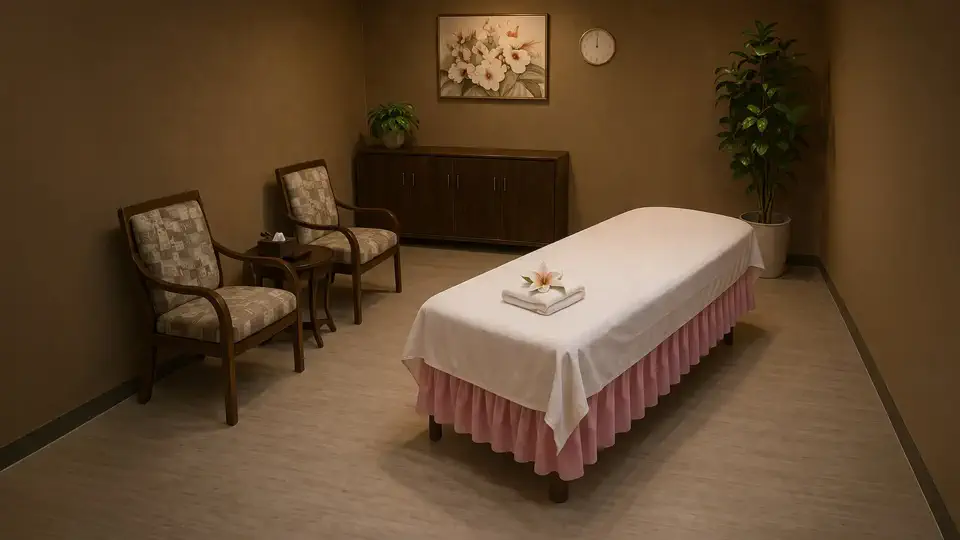
Angel Massage Spa is at 10716 W Bell Rd, Sun City, AZ 85351 and is open 9:00 AM to 9:00 PM daily. Walk-ins are welcome and private rooms are available.
When the choice does not matter much
The confirmed session prices are $40 for 30 minutes and $60 for 60 minutes. Availability can change, so call ahead if timing or a visit for more than one guest matters.
How couples / friends visiting together should think about session length
The confirmed session prices are $40 for 30 minutes and $60 for 60 minutes. Availability can change, so call ahead if timing or a visit for more than one guest matters.
How to decide right now
If you are reading this trying to pick a session length for a visit you are about to make, here is the practical decision tree. Have one specific tension area? 30 minutes. Have whole-body fatigue? 60 minutes. First-time visit ever? 60 minutes. Tight schedule, less than 90 minutes free? 30 minutes. Free Saturday morning? 60 minutes. Want to sleep well that night? 60 minutes. Lunch break? 30 minutes. After-work? 30 minutes. Whatever you pick, the price is honest and flat — $40 for 30, $60 for 60. There is no upcharge for switching mid-session. There is no penalty for picking the shorter session. Just walk in any day from 9 AM to 9 PM and let the front desk help you decide if you are still uncertain. Send your situation on the bottom right and we will recommend before you arrive. Honest, simple, no overthinking required.
One last consideration: the budget angle
Choose a session length based on the time you have and the kind of relaxing visit you want. If you have a health concern, ask a qualified healthcare professional whether massage is appropriate for you.
Quick FAQ
Can I extend a 30 to 60 mid-session?
Yes, subject to room availability afterward. Tell the therapist within the first 5 minutes.
Can I shorten a 60 to 30 if I am running late?
Yes — pay the 30-minute rate. The session simply ends earlier.
Most popular pick?
60 minutes for first visits and Saturday mornings; 30 minutes for after-work weeknight visits.
Read more
Walk in any day from 9 AM to 9 PM
Angel Massage Spa is at 10716 W Bell Rd, Sun City, AZ 85351 and is open 9:00 AM to 9:00 PM daily. Walk-ins are welcome and private rooms are available.
The confirmed session prices are $40 for 30 minutes and $60 for 60 minutes. Availability can change, so call ahead if timing or a visit for more than one guest matters.